If you’re a designer or brand creative looking for free bubble fonts in 2026 — for headlines, packaging, social graphics, logo design, or playful branding — this guide rounds up the best options from Google Fonts plus a few premium bubble fonts for projects that need more distinct letterforms. Bubble fonts range from simple rounded shapes to letters that look like they’ve been puffed up with air. Usually sans-serif and often inspired by the 70s, bubble fonts feel groovy and playful, but they can also be friendly and approachable with soft, rounded counters (the inner parts of letters) or highlights that add a 3D look.
Below, you’ll find our list of the best free bubble fonts on Google Fonts in 2026, along with a few of our own bestsellers for projects that need something more distinctive.
What makes a good bubble font
The bubble fonts that hold up across real branding projects share a few practical traits. Knowing what to look for makes the difference between a bubble font you use once and one that works across a full brand system.
Weight range. The best bubble fonts come in multiple weights, from Thin to Black. Lighter weights work for body or secondary type. Heavier weights work for logos, headlines, and packaging hero text. A single-weight bubble font limits how far you can stretch the brand identity.
Stylistic alternates. Bubble fonts with stylistic alternates for letters like ‘a’, ‘g’, ‘R’, and ‘e’ give designers room to customize a wordmark in Illustrator, InDesign, or Figma without commissioning hand-lettering. Free bubble fonts on Google Fonts often have no alternates at all, which is one of the practical reasons designers move to premium options for logo work.
Spacing and counters. Bubble fonts with well-balanced counters (the open spaces inside letters) read better at small sizes and on screens. Poorly spaced bubble fonts can look amateurish in packaging or social posts even when the letterforms themselves are beautiful.
Character coverage. If you’re working in multiple languages or need accented characters, check the character set before committing. Many free Google bubble fonts cover basic Latin only.
1. Modak – Most-used Bubble Font With Ink Traps (Free Google Font)

Modak is featured in more than 68,000 websites.
2. Miox – Groovy Bubble Font For Fun Branding (Premium Font)

Miox combines bubbly, retro-inspired curves with modernized details, making it perfect for fun branding or playful retro designs. See Miox font here.
3. Goji – Rounded Bubble Font With Lots Of Alternate Glyphs (Premium Font)

Goji is a rounded bubble font with plenty of stylistic alternates for logos and display typography. Check out Goji here: Goji rounded font.
4. Sniglet – Modern Bubble Type In ExtraBold (Free Google Font)

Sniglet is featured in more than 58,000 websites.
5. Plox – Rounded Blocky Bubble-Adjacent Font With A Toy Feel (Premium Font)

Plox is a bold, rounded block font with a playful, toy-toolbox feel. Built from chunky shapes with a modular structure, it’s great for logos, games, and anything that needs a cool look. Best for kids brands, toy packaging, fun apps, and display use like logos, titles, and headlines. Available as a full family with variable font and as single font weights.
6. Skay – Handwritten Bubble Font For Beauty And Fashion Branding (Premium Font)

Skay is an organic, handwritten bubble font with an inky brush feel, perfect for beauty and fashion branding. Its unique letterforms stand out in both headlines and logos. See Skay font here.
7. Titan One – Modern Brush-Style Bubble Type (Free Google Font)

Titan One is featured in more than 56,000 websites.
8. Dangrek – Classy Rounded Bubble Font (Free Google Font)

Dangrek is featured in more than 48,000 websites.
9. Coiny – Bold Rounded Bubble Font (Free Google Font)

Coiny is featured in more than 47,000 websites.
10. Rubik Bubbles – Extra Bubbly Display Font (Free Google Font)

Rubik Bubbles is featured in more than 8,100 websites.
11. Vole – Sans-Serif Water Font With Bubble Counters (Premium Font)
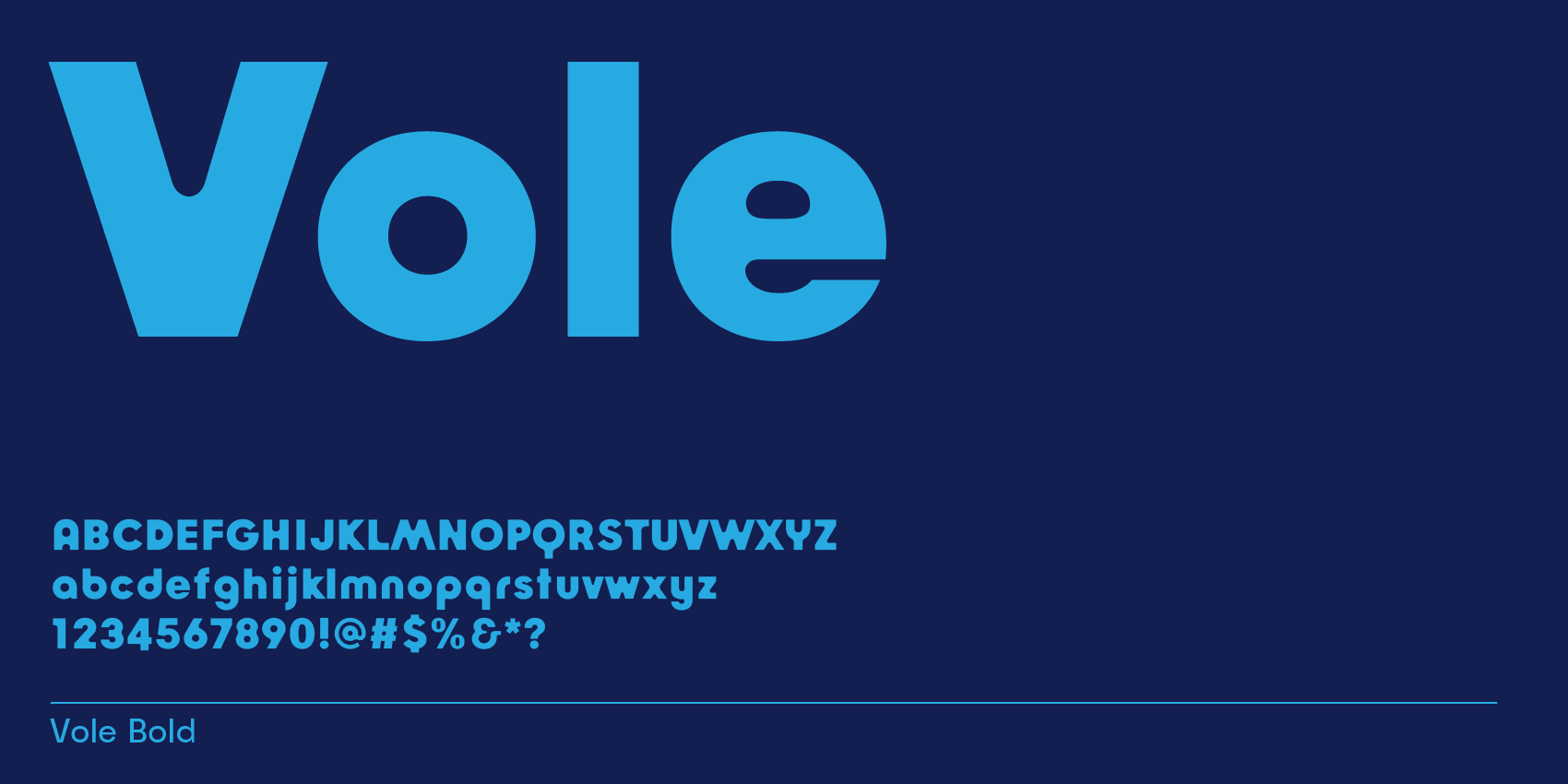
Vole has a Bauhaus-inspired aesthetic with its rounded counters and fun, fluid design. It’s a great choice for both modern and nostalgic branding projects. See Vole font here.
12. DynaPuff – Free Fun Bubble Font (Free Google Font)

DynaPuff is featured in more than 7,000 websites.
For more fonts similar to DynaPuff, check out this list of type for creative projects with a happy personality.
13. Rubik Puddles – Cloud Bubble Font With Outlines (Free Google Font)

Rubik Puddles is featured in more than 6,700 websites.
14. Gluten – Inky Bubble Font (Free Google Font)

Gluten is featured in more than 6,500 websites.
How to choose between free and premium bubble fonts
Free bubble fonts on Google Fonts are a strong starting point, especially for one-off social posts, MVP branding, and projects where the design will only live for a few months. Modak, Sniglet, Titan One, and DynaPuff are all well-made and free to use commercially with the Google Fonts license.
Premium bubble fonts make sense when you’re investing in a brand identity that has to carry packaging, ads, digital touchpoints, and physical signage for years. The bubble fonts in our bubble fonts collection come with the full nine-weight family, stylistic alternates, OpenType features, and licensing that covers commercial work without per-seat fees. For a logo that needs to look distinctive (not “oh, I’ve seen this font on 60,000 other sites”), premium gives designers the edge.
The middle path most designers actually use: pair a free Google bubble font for the hero display with a premium sans-serif for body text. Or pair a premium bubble font with a free clean sans-serif for body. Both combinations stretch the budget without sacrificing the brand’s look.
Bubble fonts FAQ
What are bubble fonts?
Bubble fonts are rounded, soft display typefaces that often look inflated or hand-drawn. They’re ideal for playful branding, packaging, kids’ products, and any design that needs a friendly, approachable feel.
Are these free bubble fonts on Google Fonts commercial-use friendly?
Most free bubble fonts on Google Fonts can be used for personal and commercial projects, but you should always review the individual font license on Google Fonts before using it in a logo or large-scale branding project.
When should I choose a premium bubble font instead of a free one?
Free Google bubble fonts are great for quick projects, social media, and smaller brands. For distinctive logo work or brand systems, a premium bubble font like Skay, Miox, Goji, Vole, or Plox gives you more unique letterforms, better spacing, and a look that fewer brands are using.
Can I use bubble fonts for body text?
Bubble fonts work best in short headlines, logos, and callouts. For body text, pair them with a clean sans-serif or serif that’s easier to read in paragraphs, and keep the bubble font for accents only.
What are the best bubble fonts for logos?
For logos, the best bubble fonts are ones with stylistic alternates and multiple weights so you can customize the wordmark and use the same family across the rest of the brand. From this list, Miox, Goji, Plox, and Skay all work well for logo design. Free options like Modak and Titan One can work but give you less room to differentiate.
What’s the difference between bubble fonts and balloon fonts?
The terms are mostly interchangeable. “Balloon fonts” often refers to the heaviest, most inflated end of the bubble category — fonts like Rubik Bubbles or Modak that really look puffed up. “Bubble fonts” is the broader umbrella that also includes softer, rounded styles. If a brief asks for a balloon font, lean toward the boldest, roundest options in this list.
For more bubble type, check out our bubble fonts collection for commercial use.
Bubble font trends in 2026
Three patterns are shaping how bubble fonts get used in 2026. First, the line between bubble and rounded sans-serif keeps softening — fonts like Vole and Bauhaus Soft work as bubble alternatives without committing fully to the inflated look. Second, bubble fonts paired with monoline sans-serifs are showing up across beauty and wellness branding, replacing the older serif-plus-script pairing. Third, variable bubble fonts (which let you adjust weight on the fly) are becoming a practical default for designers building responsive identity systems.
If you want to test these directions, the bubble fonts in this guide are a good starting set. Each entry below includes the actual letterforms so you can see the personality before you commit.